
Schistosomiasis is an acute and chronic, parasitic disease caused by blood flukes (trematode worms) of the genus Schistosoma. At least 258 million people required treatment in 2014. Treatment, which should be repeated over a number of years, will reduce and prevent morbidity. The WHO strategy for schistosomiasis control focuses on reducing disease through periodic, targeted treatment with praziquantel. This involves regular treatment of all who are at-risk.
Fact 1: More people need treatment for schistosomiasis
At least 258 million people are estimated to have required treatment for schistosomiasis in 2014. While the actual reported number of people treated in 2014 was only 61.6 million.
Fact 2: Infection occurs from exposure to infested freshwater
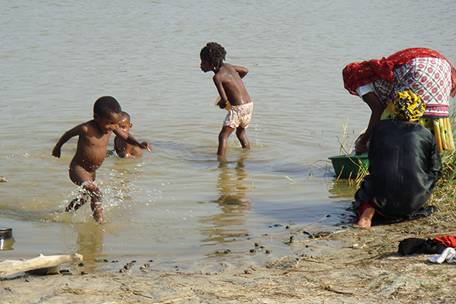
People can become infected during routine agricultural, domestic, occupational and recreational activities which expose them to infested freshwater sources.
WHO/L. Chitsulo
Fact 3: Larval forms of schistosomiasis are released by snails
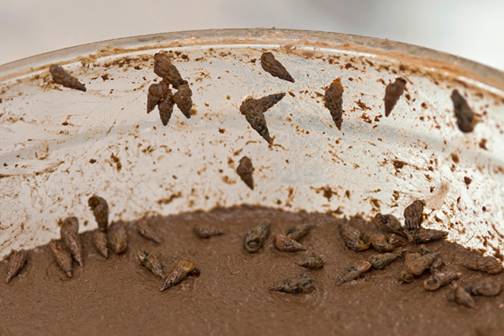
People become infected when larval forms of the parasite - released by freshwater snails - penetrate the skin during contact with infested water.
Fact 4: Schistosomiasis is prevalent in tropical and subtropical areas
Schistosomiasis is especially prevalent in poor communities with unsafe drinking-water sources and inadequate sanitation. It is estimated that at least 90% of those requiring treatment for schistosomiasis live in Africa.

WHO/L. Chitsulo
Fact 5: Increased population movement is introducing the disease to new areas
Increased migration to urban areas and population movements are introducing schistosomiasis to new areas. Increasing population size and the corresponding needs for power and water often result in development schemes and environmental modification, such as construction of dams, that facilitate transmission.

WHO/L. Chitsulo
Fact 6: The economic and health effects of schistosomiasis are considerable
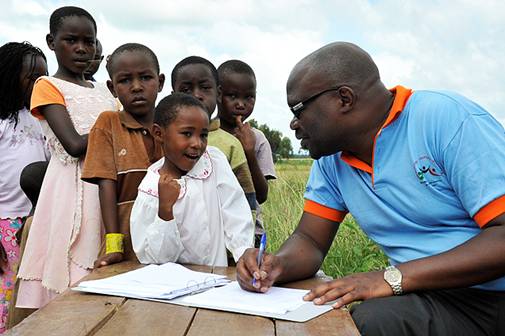
In children, schistosomiasis causes anaemia, stunted growth and reduced ability to learn, although its effects are usually reversible with treatment. Chronic schistosomiasis can affect people's ability to work and, in some cases, result in death.
Merck
Fact 7: Urine and stool samples can detect schistosomiasis
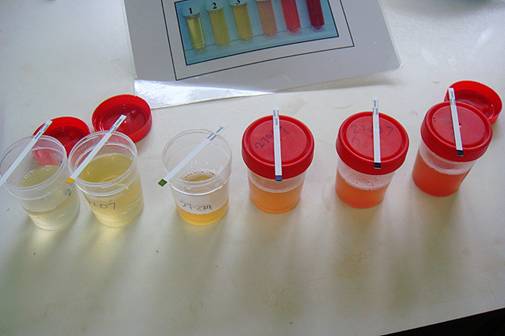
Urogenital schistosomiasis can be easily detected through the presence of blood in urine (haematuria). Intestinal forms of schistosomiasis can cause abdominal pain, diarrhoea and blood in the stool, are diagnosed through examination of stool specimens.
WHO/L. Chitsulo
Fact 8: Praziquantel can be used to treat schistosomiasis
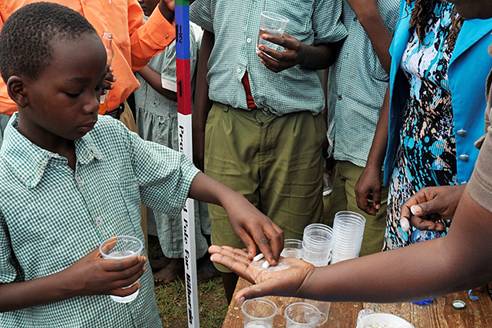
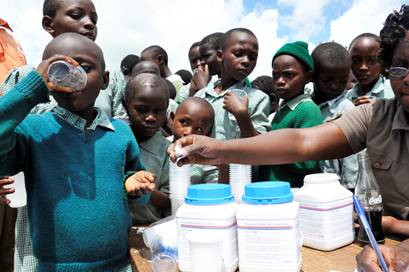
Control of schistosomiasis is based on large-scale treatment with praziquantel of at-risk populations. WHO recommends treatment with praziquantel against all forms of schistosomiasis. The medicine is effective, safe and is distributed free during large-scale treatment campaigns.
Merck
Fact 9: WHO has developed treatment methods and recommendations
WHO has also developed methods and recommendations to reach communities and simplify large-scale preventive treatment with praziquantel.

WHO/L. Chitsulo
Fact 10: WHO advocates for increased access to praziquantel and resources for implementation
WHO has catalysed collaboration between ministries of health, development agencies, the pharmaceutical sector, non-profit organizations and communities to provide resources and medicines for schistosomiasis control. Other methods of schistosomiasis control include wider access to safe water, improved sanitation, hygiene education and snail control.
Merck